
What Every Student and Young Adult Should Know About Banking
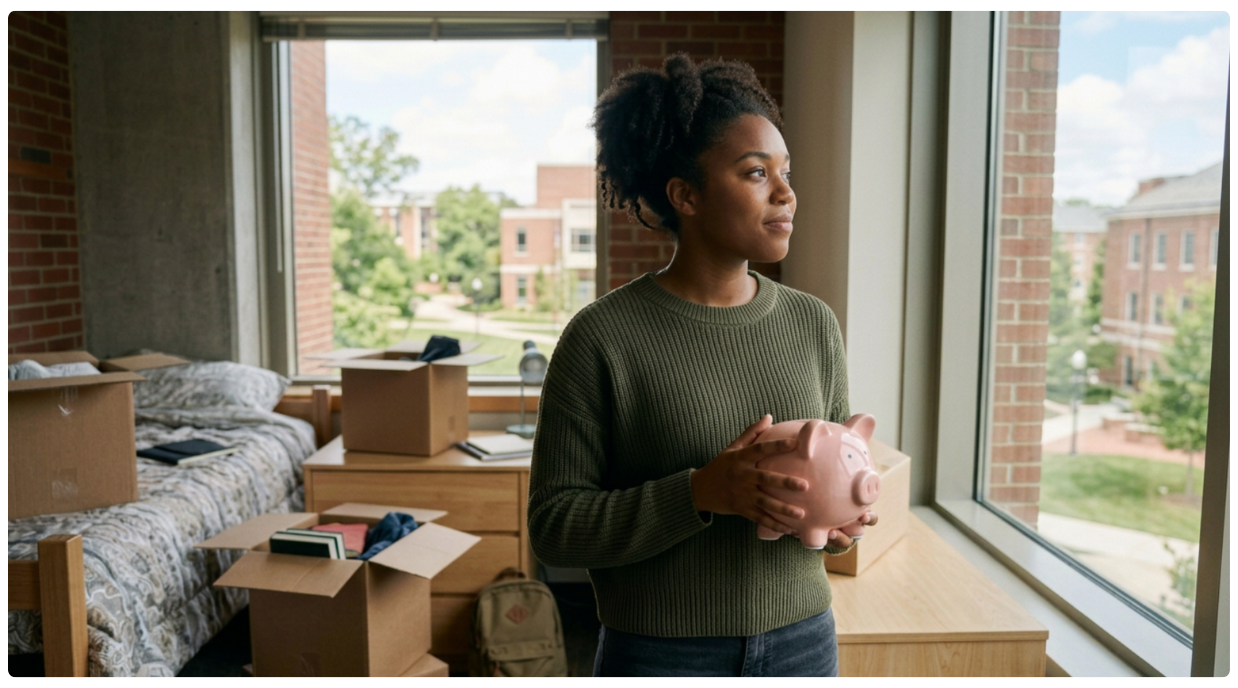
Opening your first bank account is exciting. It's also a sign that you're taking more responsibility for your finances.
Whether you're starting your first job, preparing for college, or simply ready to manage your own money, understanding the basics of banking can help you feel more confident and avoid common mistakes.
The good news is that you don't need to know everything right away. Learning a few key concepts can help you build a strong financial foundation.
Student and Young Adult Checklist
| ✓ | Open a checking account that fits your everyday needs. | |
| ✓ | Build a savings habit, even if you start small. | |
| ✓ | Learn how your debit card works. | |
| ✓ | Set up online and mobile banking. | |
| ✓ | Turn on account alerts when available. | |
| ✓ | Keep track of subscriptions and automatic payments. | |
| ✓ | Learn the basics of credit. | |
| ✓ | Watch for scams and protect your personal information. | |
| ✓ | Ask questions before making financial decisions you do not understand. |
Understanding the Basics

Checking Accounts
A checking account is often where everyday money activity happens. It may be used for paychecks, debit card purchases, bills, transfers, ATM withdrawals, and other routine transactions.
When reviewing checking account options, consider asking about minimum opening deposit requirements, monthly service fees, debit card access, online and mobile banking, Bill Pay options, eStatements, ATM access, and overdraft information.
If this is your first account, ask what information you need to bring with you. If you are under 18, a parent or legal guardian may need to be involved, depending on the account and bank requirements.
Start Building a Savings Habit
Savings does not have to begin with a large deposit. The habit matters.
A savings account can help you prepare for school expenses, vehicle repairs, rent or housing costs, emergency needs, travel, future goals, and unexpected expenses. A good first step may be setting aside a small amount each time you receive money. Even if the amount feels small, regular saving can help you build confidence and create a cushion for future expenses.
Learn How Your Debit Card Works
A debit card is connected to your checking account. When you use it, money typically comes directly from your available balance.
Helpful debit card habits include checking your balance regularly, reviewing transactions often, keeping your PIN private, reporting a lost or stolen card quickly, being careful when saving card information on websites or apps, and using card controls if they are available through your bank.

Set Up Online and Mobile Banking
Online and mobile banking can help you manage your money from your computer or mobile device. Depending on your account and available services, digital banking may allow you to view balances, review transactions, transfer money, deposit eligible checks, pay bills, access statements, manage debit card controls, and monitor account activity.
Digital banking tools can be especially helpful for students and young adults balancing school, work, activities, and busy schedules.
Turn On Account Alerts
Account alerts can help you stay aware of what is happening with your money. They may help you notice low balances, purchases, deposits, withdrawals, or unusual activity. Alerts do not replace reviewing your account, but they can give you another layer of awareness.
Keep Track of Subscriptions and Automatic Payments
Streaming services, apps, memberships, phone bills, insurance payments, and other recurring charges can add up quickly. Create a simple list that includes what the payment is for, how much it costs, when it comes out, which card or account is connected, and whether you still use it.
Learn the Basics of Credit
Credit can affect future financial decisions, including renting an apartment, buying a vehicle, applying for a loan, or purchasing a home. A few basics to understand: credit history shows how you have managed borrowed money, payment history matters, paying late can affect your credit, using too much available credit may affect your score, and applying for several credit accounts in a short period may have an impact.
You do not need to rush into credit. It is better to understand how it works before using it heavily.
Watch for Scams
Scammers often target students and young adults because many are managing new accounts, new jobs, payment apps, online purchases, and digital transactions. Common scams may include fake job offers, fake scholarship messages, payment app scams, social media marketplace scams, text messages pretending to be from a bank, calls asking for passwords or verification codes, and messages creating urgency or fear.
A good rule: if someone pressures you to act immediately, send money, click a link, or share private account information, pause before responding. Never share your online banking username, password, PIN, or verification code. If something feels suspicious, contact your bank directly using a verified phone number or visit a branch.
Helpful Questions to Ask a Banker
· What checking account would fit my everyday needs?
· Are there monthly service fees?
· Is there a minimum balance requirement?
· What happens if I overdraw my account?
· How do I set up online and mobile banking?
· How do I turn on account alerts?
· What should I do if my debit card is lost or stolen?
· How do I protect myself from scams?
· How can I start saving regularly?
Ready to Take the Next Step?
Starting your financial life does not require having every answer. It starts with asking good questions, choosing tools that fit your needs, and building habits you can continue over time.
Reach out to a Banker or stop by one of our branch locations to learn more about checking, savings, digital banking, and account security.