
Homeownership: Financial Steps to Take Before Buying a Home

Buying a home is an exciting milestone. Whether you're dreaming about your first house, saving for a future purchase, or preparing to begin the homebuying process, there are several financial steps that can help you feel more confident along the way.
Homeownership is about more than finding the right property. It often involves building savings, understanding your budget, organizing important documents, and preparing for ongoing expenses that come with owning a home.
The good news is that preparation does not need to happen overnight. Taking small steps now can help create a stronger financial foundation for the future.
Homeownership Preparation Checklist
| ✔ | Review your monthly budget |
| ✔ | Understand your credit habits |
| ✔ | Build savings for future homeownership goals |
| ✔ | Create an emergency fund |
| ✔ | Reduce unnecessary debt when possible |
| ✔ | Organize important financial documents |
| ✔ | Learn about homeownership expenses |
| ✔ | Evaluate your long-term financial goals |
| ✔ | Understand how much home may fit your budget |
| ✔ | Ask questions before starting the homebuying process |
Review Your Monthly Budget
Before purchasing a home, it is important to understand where you stand financially today.
Start by reviewing your monthly income, recurring expenses, debt payments, savings contributions, and other financial obligations. This exercise is not about creating the perfect budget. It is simply about gaining a clear understanding of how money is currently flowing in and out of your household.

Many people are surprised by what they discover during this process. Subscription services, dining expenses, convenience purchases, and other recurring costs can add up over time.
Understanding your current budget can help you identify opportunities to save while also providing a realistic view of your financial priorities. Homeownership should support your overall financial well-being, not create unnecessary financial strain.
The more familiar you become with your finances today, the more confident you may feel making decisions tomorrow.
Build Savings for More Than a Down Payment
When people think about buying a home, the down payment often receives the most attention.
While saving for a future purchase is certainly important, there may be additional expenses that first-time buyers do not immediately consider.
Moving costs, furniture purchases, utility setup fees, landscaping equipment, household maintenance tools, and unexpected repairs can all become part of the transition into a new home.
Even after moving in, expenses continue to arise. Appliances wear out. Repairs become necessary. Home maintenance projects often appear when you least expect them.
Building savings gradually before purchasing a home can help create flexibility as these costs arise.
Rather than focusing solely on a single savings target, consider creating a plan that supports both the purchase itself and the responsibilities that come with ownership.
Why Emergency Savings Matter
One of the biggest differences between renting and owning a home is that homeowners often become responsible for maintenance and repairs.
If an appliance stops working or a system requires service, there is no landlord to call.
That does not mean every homeowner needs to be prepared for every possible expense overnight. It simply means that having emergency savings can provide additional peace of mind when unexpected situations occur.
An emergency fund may help cover unforeseen expenses without disrupting other financial goals or relying heavily on credit.
Even small, consistent contributions can help strengthen your financial foundation over time.

Understanding the Ongoing Costs of Homeownership
A common misconception is that homeownership costs stop after the purchase.
In reality, owning a home often involves ongoing responsibilities and expenses.
Depending on your situation, those costs may include:
Property taxes
Utilities
Insurance
Seasonal maintenance
Repairs
Lawn care
Snow removal
Home improvement projects
Understanding these responsibilities ahead of time can help create realistic expectations and support better planning.
Homeownership can be rewarding, but preparation helps ensure there are fewer surprises along the way.
Organize Important Financial Documents
As you move closer to homeownership, it can be helpful to keep important financial documents organized and accessible.
Examples may include:
Tax returns
Pay statements
Bank statements
Identification documents
Employment information
Having documents readily available can make financial conversations more efficient and help reduce stress when information is needed.
It may seem like a small step, but organization often becomes one of the easiest ways to simplify future planning.
Think Beyond the Home Purchase
Buying a home is a major milestone, but it is only one piece of your financial picture.
As you prepare for homeownership, consider how a future purchase fits alongside your other goals.
You may also be planning for:
Retirement
Growing your family
Education expenses
Travel goals
Vehicle purchases
Emergency savings
Thinking about these priorities together can help ensure that homeownership remains part of a balanced financial plan.
A house can be an important investment in your future, but your financial goals extend beyond a single purchase.
Common Questions About Homeownership
How early should I begin preparing to buy a home?
Many future homeowners start preparing months or even years before making a purchase. Starting early may provide additional time to build savings, organize finances, and understand your options.
How much should I save before buying a home?
Every financial situation is different. Many people focus on building savings for future purchase costs, moving expenses, emergency savings, and ongoing homeownership responsibilities.
What expenses do first-time buyers sometimes overlook?
Moving costs, utility setup fees, maintenance expenses, repairs, and household purchases are commonly overlooked during the planning process.
Why is an emergency fund important for homeowners?
Unexpected expenses are a normal part of homeownership. Emergency savings can help provide flexibility when repairs or maintenance needs arise.
Should I pay off debt before buying a home?
Every situation is unique. Understanding your debt obligations and broader financial goals can help you determine the approach that works best for you.
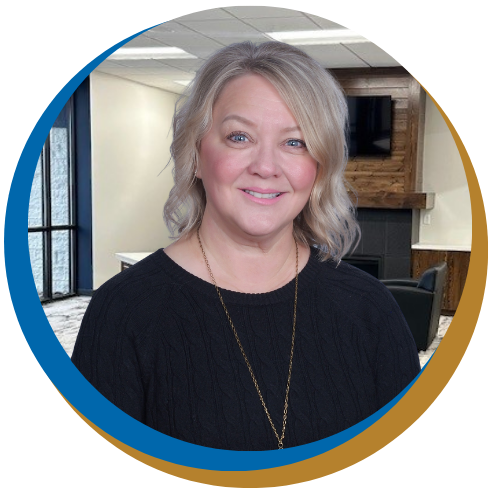
Meet Our Home Financing Expert
Colette Dahlin | VP, Consumer Lending & Mortgage
To keep your information secure, please do not include confidential or personal information when sending an email.
Send me an Email | 763-398-3508
3350 Bridge St NW | St. Francis, MN 55070
NMLS ID# 424744 | NMLS Co. ID# 786171
Send me a Secure File